
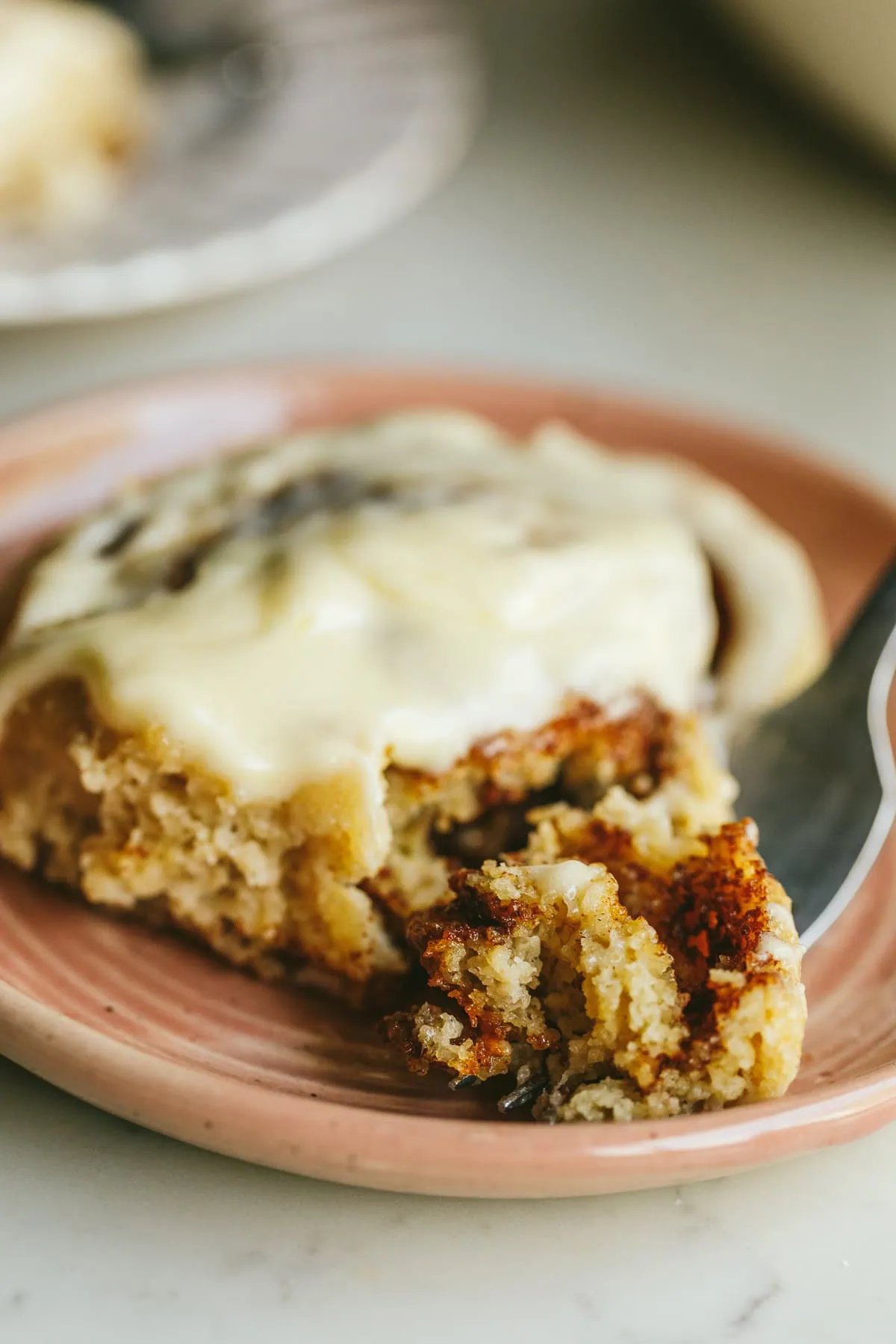
These Keto Cinnamon Rolls are everything that you wouldn't think was possible in a grain-free and sugar-free recipe! They're actually fluffy and gooey, made with a soft, tender, grain-free yeasted dough. With a rich cinnamon filling swirl, and decadent cream cheese frosting, these keto cinnamon rolls have all the makings of the classic, fluffy, gluten- and sugar-packed cinnamon roll, but without the massive blood sugar spike.
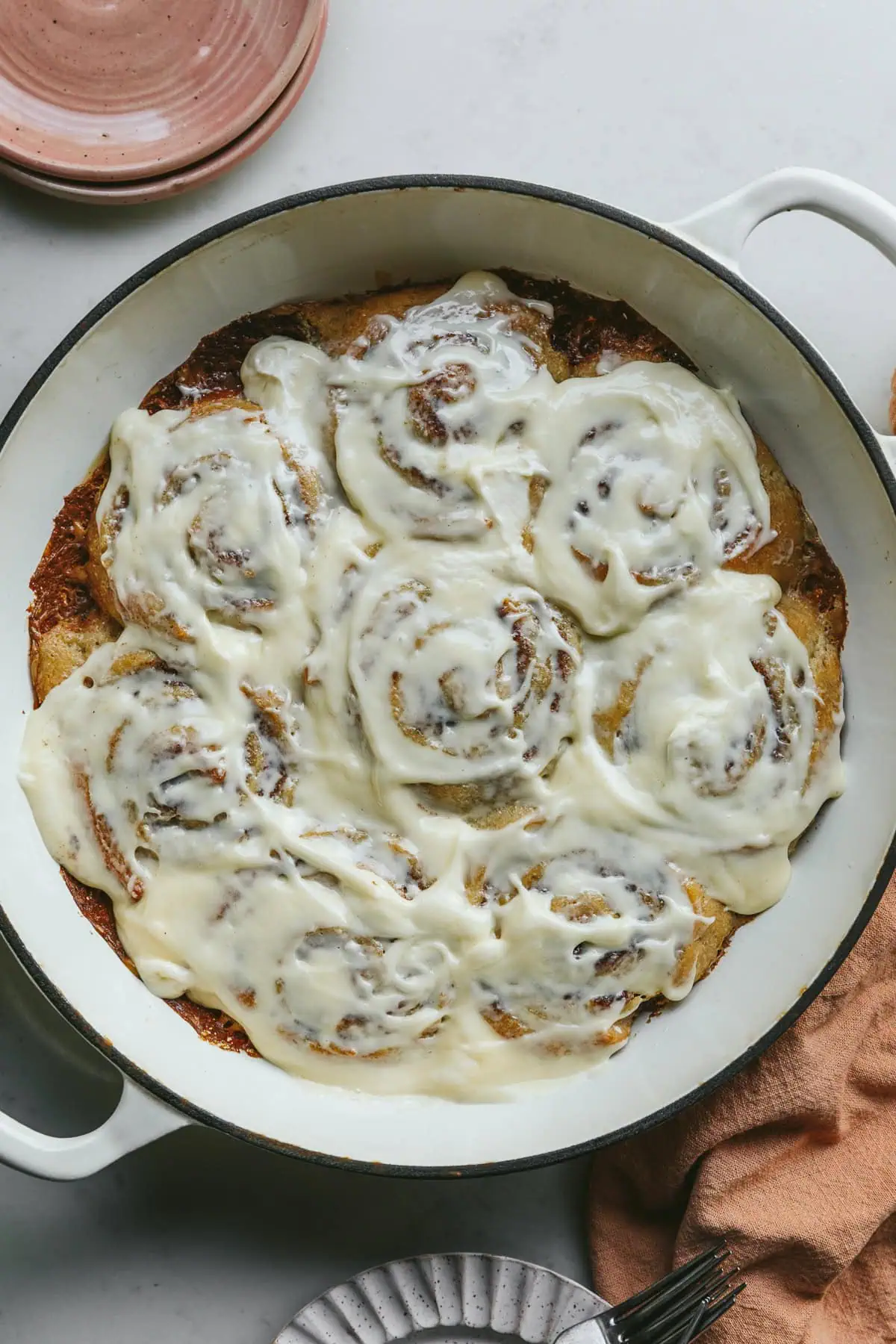
I recently set out to create the very best keto cinnamon rolls, examining my older recipe and deciding on a few changes to make the dough softer and fluffier, with better rise and, overall, better results.
I'm so excited to share this with you because I LOVE cinnamon rolls. For breakfast, dessert, snack, anytime!
Cinnamon roll thoughts are nostalgic. They remind me of warm, sticky Cinnabons enjoyed countless times with my mom at the mall.
Fresh-baked, homemade cinnamon rolls are synonymous with Christmas or Easter morning, or a relaxed weekend in pajamas.
But since adopting a low-carb lifestyle and prioritizing blood sugar balance, I have found that cinnamon rolls are one of the trickiest things to make keto-friendly.
perfect keto cinnamon rolls (without cheese!)
A quick search for a keto cinnamon roll recipe will yield many results that use "fathead dough." It's a combination of low-carb flours and a ton of melted mozzarella cheese.
It tends to be heavy and dense, but because it's primarily mozzarella, it's pliable, which is why fat head dough is a decent stand-in.
The main problem I have with this is that it's just so. much. cheese. And I was determined to create low-carb cinnamon rolls with a lighter, fluffier consistency.
My version of keto cinnamon roll dough utilizes grain-free and low-carb baking staples you're probably familiar with, like almond flour, coconut flour, and low-carb sweeteners. I also use yeast in this recipe for both leavening and flavor.
But you'll also notice ingredients that aren't as common, such as xanthan gum, a gluten-free binder, and psyllium husk powder, a plant-based soluble fiber that forms a gel when mixed with water.
When the gel is mixed into the dough, it helps to mimic the elasticity and structure of gluten.
Psyllium husk is key to getting stretchy, soft cinnamon rolls that don't crumble.
read this before getting started
When combined, these ingredients yield a dough with a texture and flavor very close to traditional cinnamon rolls, but without any grains or sugar!
Because these ingredients are crucial to low carb cinnamon rolls, I have a few recommendations before you get started:
- Use a food scale, if possible (I don't always include measurements in grams, but since these ingredients can be finicky, I highly recommend it for this recipe).
- Read the entire recipe, including recipe notes, before you begin.
- Only substitute if it's an option in the recipe notes.
Baking for a low-carb or ketogenic diet doesn't have to be complicated. These are general tips I often emphasize, especially for a recipe like this.
why you'll love these low-carb cinnamon rolls
Just like making traditional homemade cinnamon rolls, this keto cinnamon rolls recipe is a bit of a baking project, but I promise, your efforts will be rewarded!
They are:
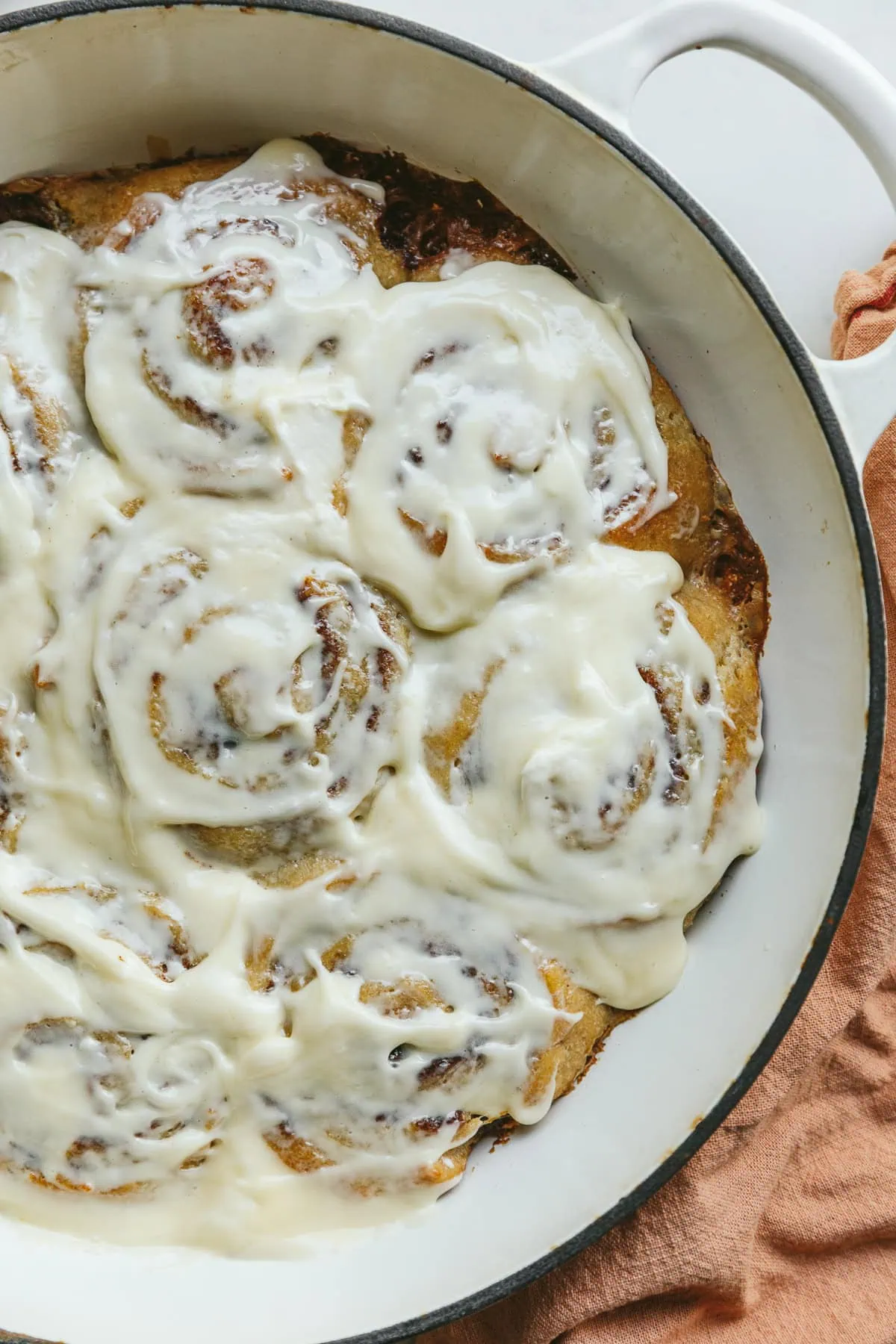
- soft cinnamon rolls with a yeasted dough and a rich and creamy frosting
- low-carb, keto diet friendly, and grain-free, with only 8 grams of net carbs per large cinnamon roll
- perfect if you're looking to indulge in a treat that's blood sugar-friendly
- a fun baking project with high reward!
the ingredients
Here's a look at the main ingredients you will need (see the recipe card for the full list and ingredient amounts).
Keep in mind that while I'm all for riffing, experimenting, and using what you have, this is not the recipe for that! Using the specific ingredients is crucial, and I have very few options for substitutions that will achieve the same texture.
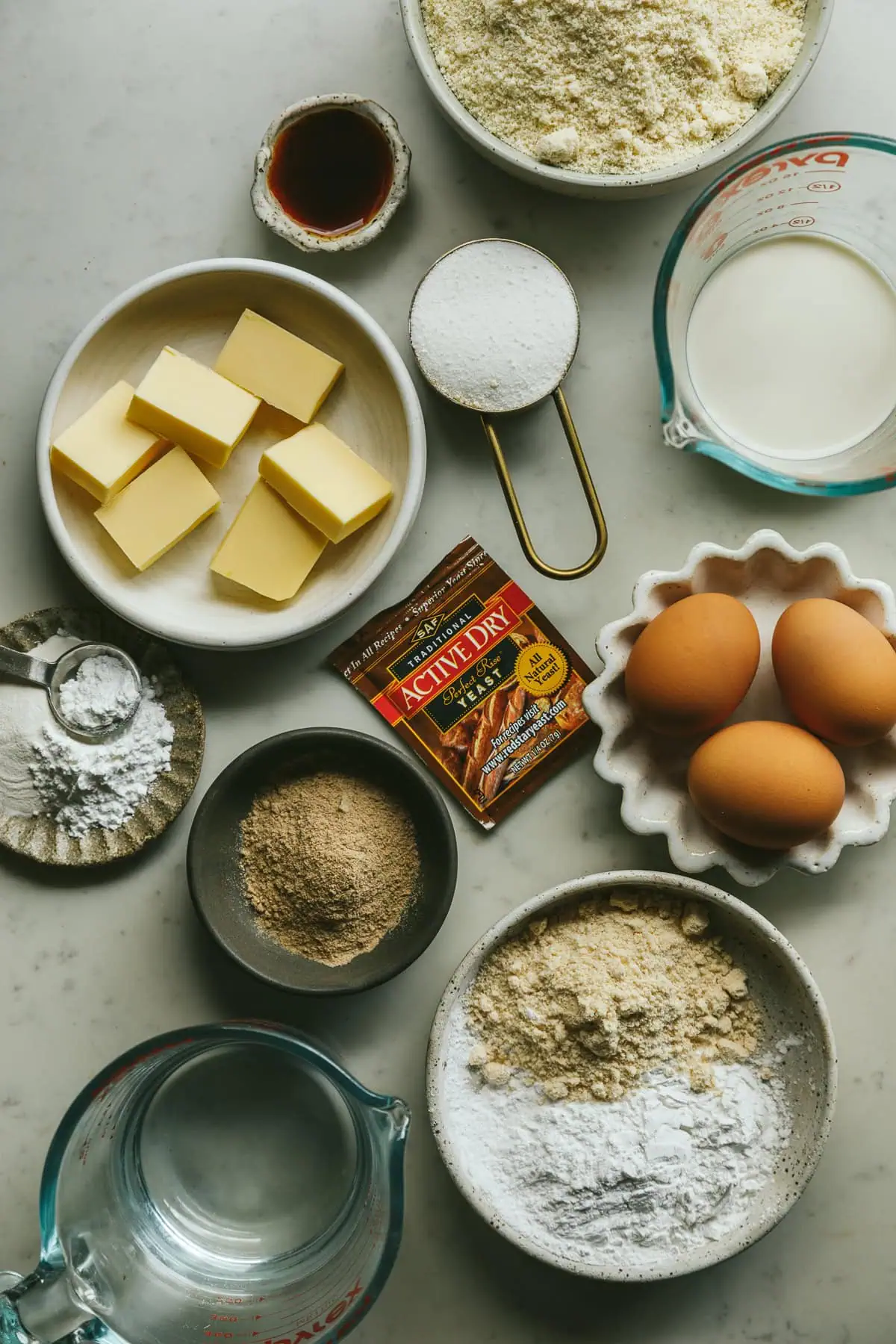
- Psyllium husk powder: As mentioned above, this ingredient is crucial to getting the dough stretchy and pliable. I use a powder form of psyllium husk for this recipe. Since it's a soluble fiber, it's great for digestive health and has even been shown to slow digestion and stabilize blood sugar. You'll mix it with warm water to create a gel that you'll later mix into the dough.
- Yeast and baking powder: I use active dry yeast for this recipe which helps the cinnamon rolls rise (slightly) and also gives it a flavor that's closer to a gluten flour dough. You'll activate it with 1 teaspoon of pure maple syrup. I also use baking powder for an extra boost of leavening.
- Whipping cream: You'll use warm cream in the dough as well as right before baking. Cream poured on top of the cinnamon rolls just before they go into the oven help create fluffier, gooier keto cinnamon rolls.
- Eggs: For rise, binding, and structure!
- Monkfruit sweetener with allulose: Out of all the keto-friendly sweeteners, I love the combination of monkfruit and allulose the most. It has a clean flavor and it gives a soft texture to the dough, unlike sweeteners that are an erythritol blend. You can use the Golden variety of monkfruit/allulose for the dough and cinnamon filling, and then blitz it to create a powdered sweetener for the frosting (or purchase a powdered monkfruit for ease).
- Butter: A little for the dough and a little for the frosting. I like salted, grass-fed butter, but unsalted works too.
- Dry ingredients: The combination of blanched almond flour, arrowroot powder, and coconut flour is the perfect low-carb flour trio! Arrowroot lightens it up without adding too many carbs, while almond and coconut flour create a tender crumb.
- Xanthan gum: For binding and extra elasticity without gluten in the dough.
- Frosting: A mix of butter, cream cheese, monkfruit sweetener, and a splash of vanilla extract. Simple and classic!
how to make keto cinnamon rolls
These keto cinnamon rolls are not difficult to make, but they do require more steps and are more involved than many of my other baking recipes.
For all the details, check out the full printable recipe card at the bottom of the page:
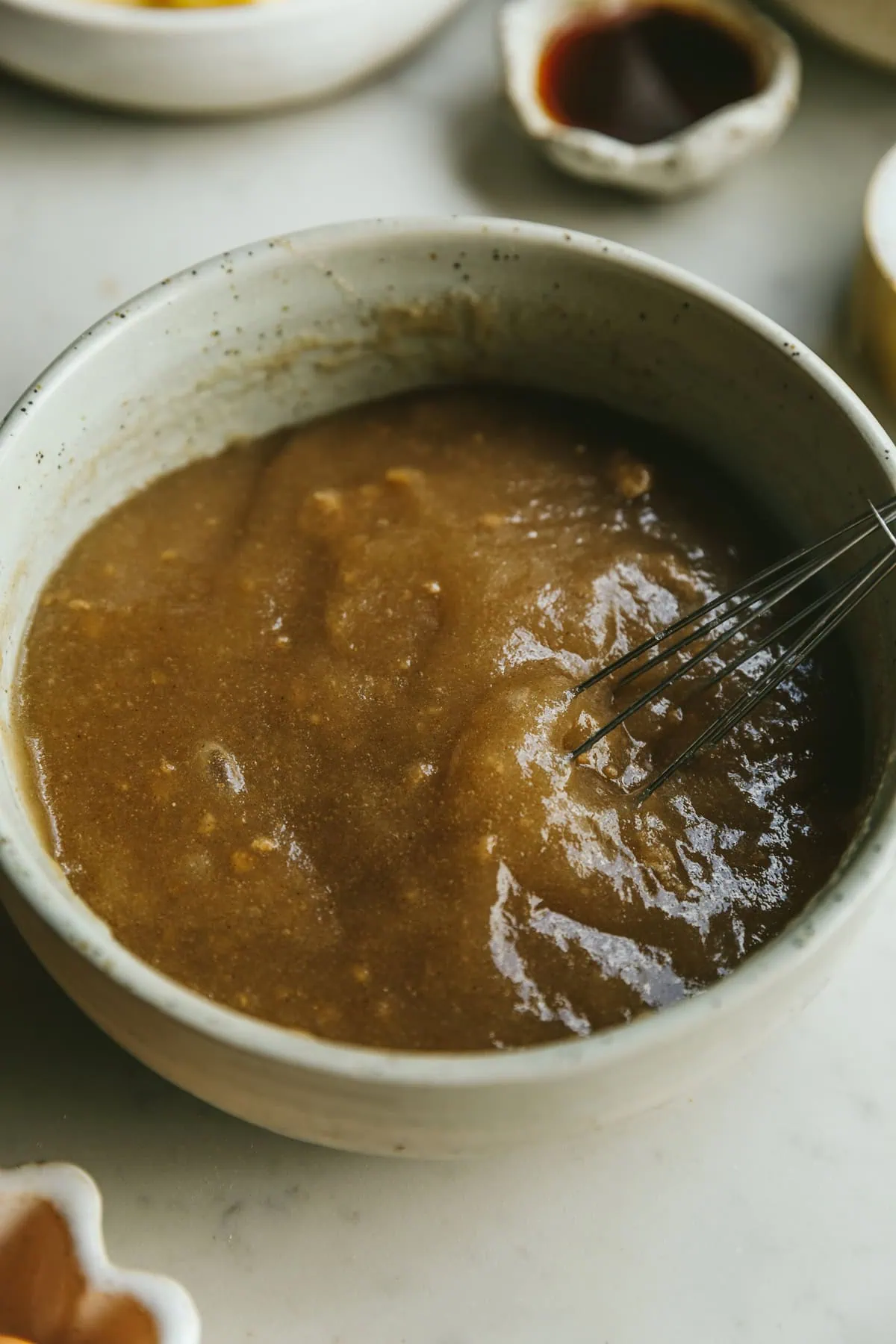
Combine the psyllium husk and water, whisking well. The mixture will turn into a gel in a matter of seconds. Set aside. In a separate small bowl, mix together the warm cream, active dry yeast, and maple syrup. It will turn foamy in about 5 minutes (if it does not, your yeast is not fresh!).
Add all of the dry ingredients to a large mixing bowl. Whisk well to combine and then set it aside.
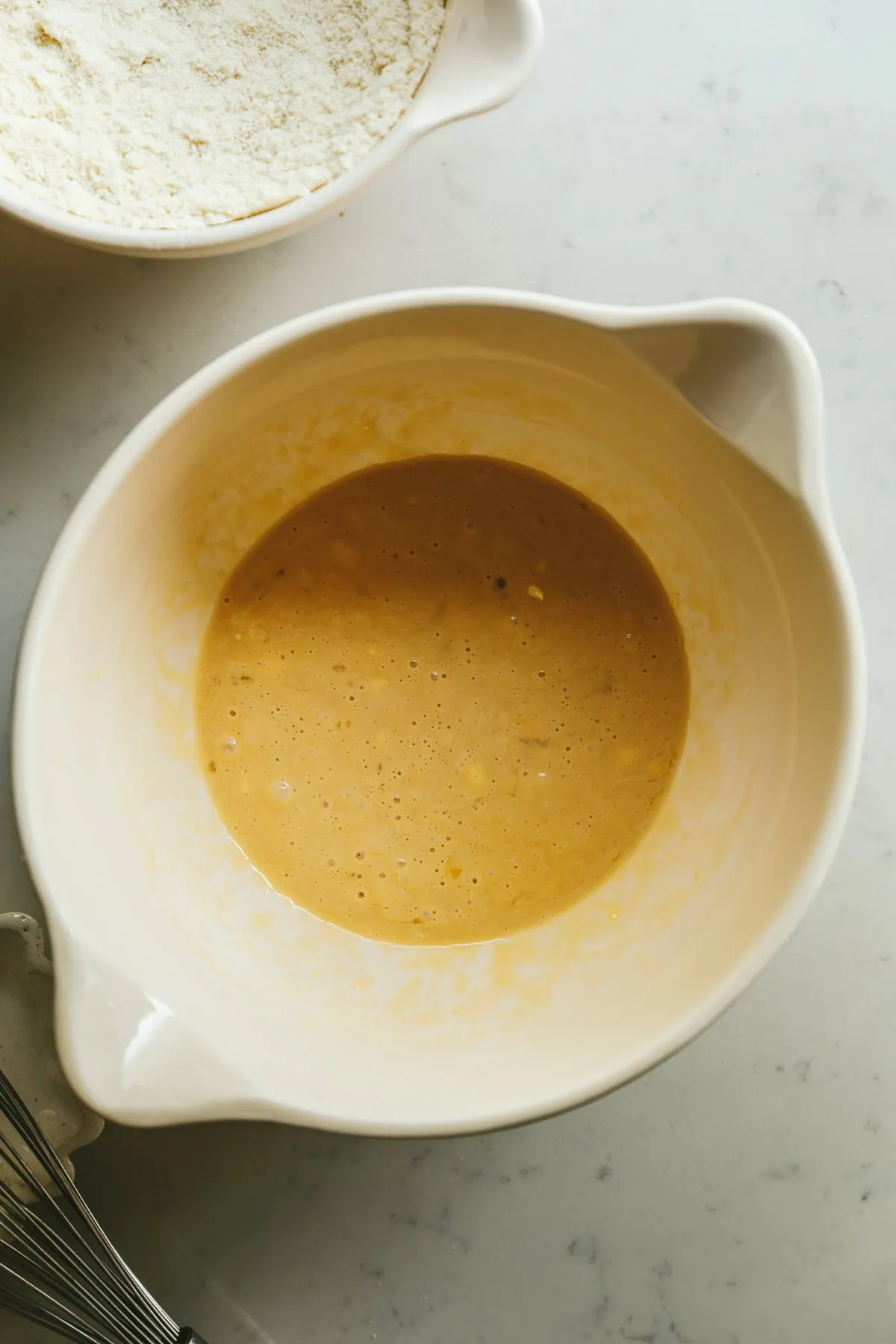
In a separate mixing bowl (or bowl of a stand mixer), mix together the eggs, melted butter, and vanilla extract.
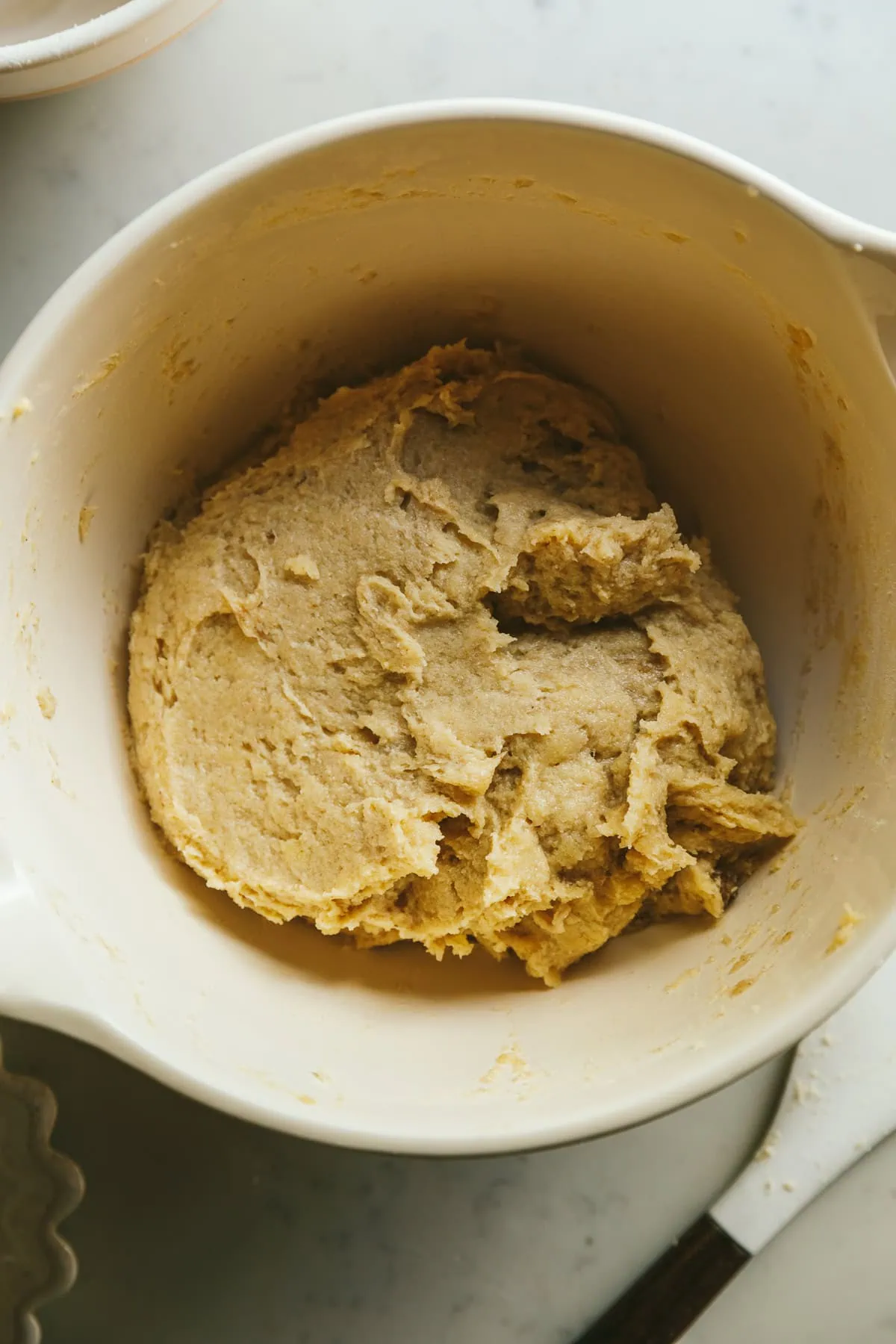
Add in the yeast mixture, then stir in the dry ingredients. Use a silicone spatula (or paddle attachment) to work the dough well.
Stir in the psyllium husk gel and continue to mix the dough until the gel has been incorporated evenly. Place a sheet of plastic wrap over the bowl and refrigerate for at least 1 hour.
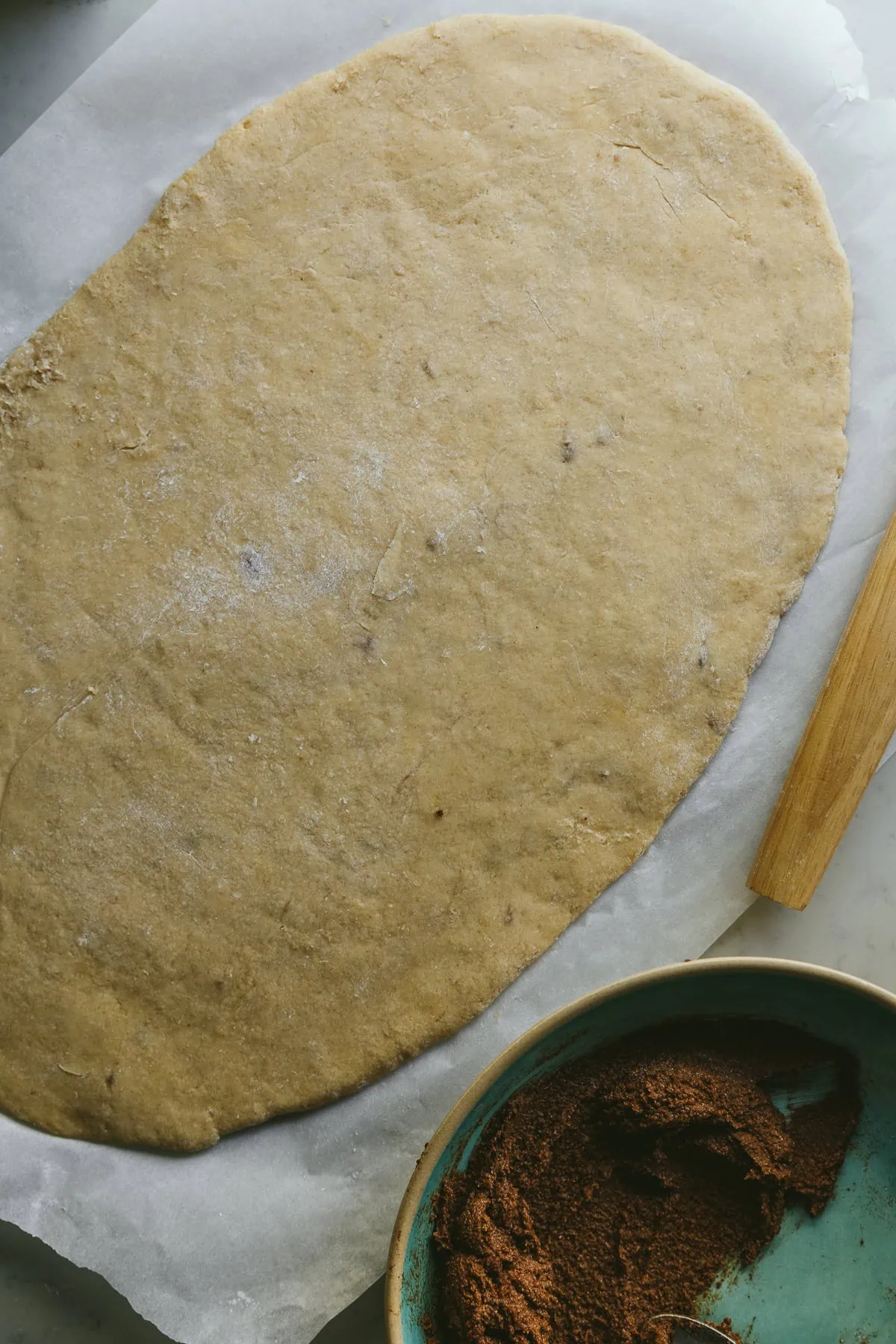
Place the dough on a sheet of parchment paper, dusted with arrowroot. Flatten lightly, then set another sheet of parchment on top. Use a rolling pin to gently roll out the dough, shaping it as needed with your hands, until it's an 11x18 rectangle, about ¼-inch thick.
Mix your filling ingredients, then spread the mixture evenly over the dough, leaving a ¼-inch border along the edges.
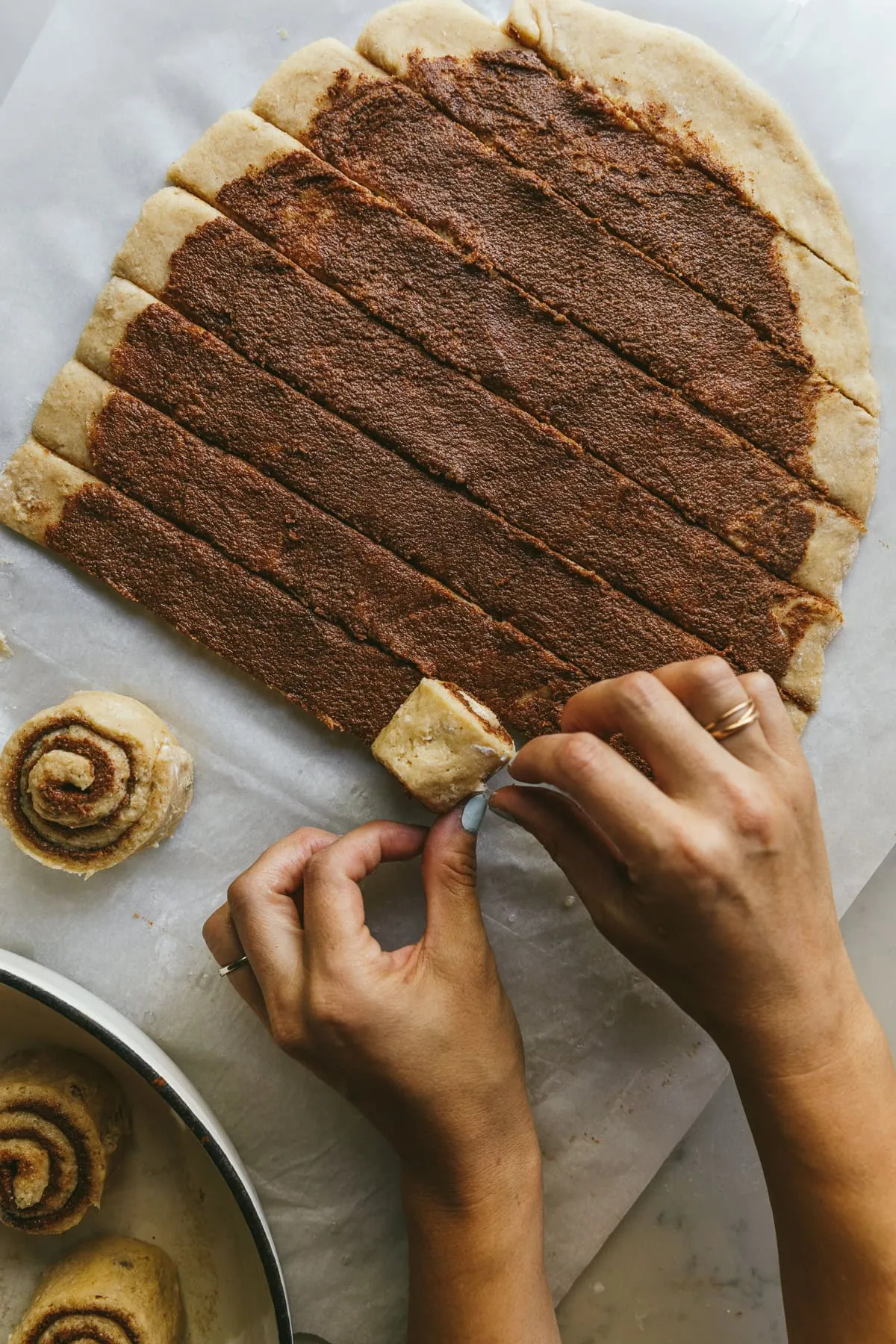
Cut the dough in 1-½-inch strips from the short side of your rectangle, then gently roll each strip into a spiral. Dip your fingertips in water as needed to prevent the dough from sticking to your hands.
Place each cinnamon roll in a buttered round skillet or rectangular baking dish, spread out about 2 inches apart. (You'll most likely need two dishes). Cover with a clean dish towel and let the rolls rise for 1-½ hours in a warm place.
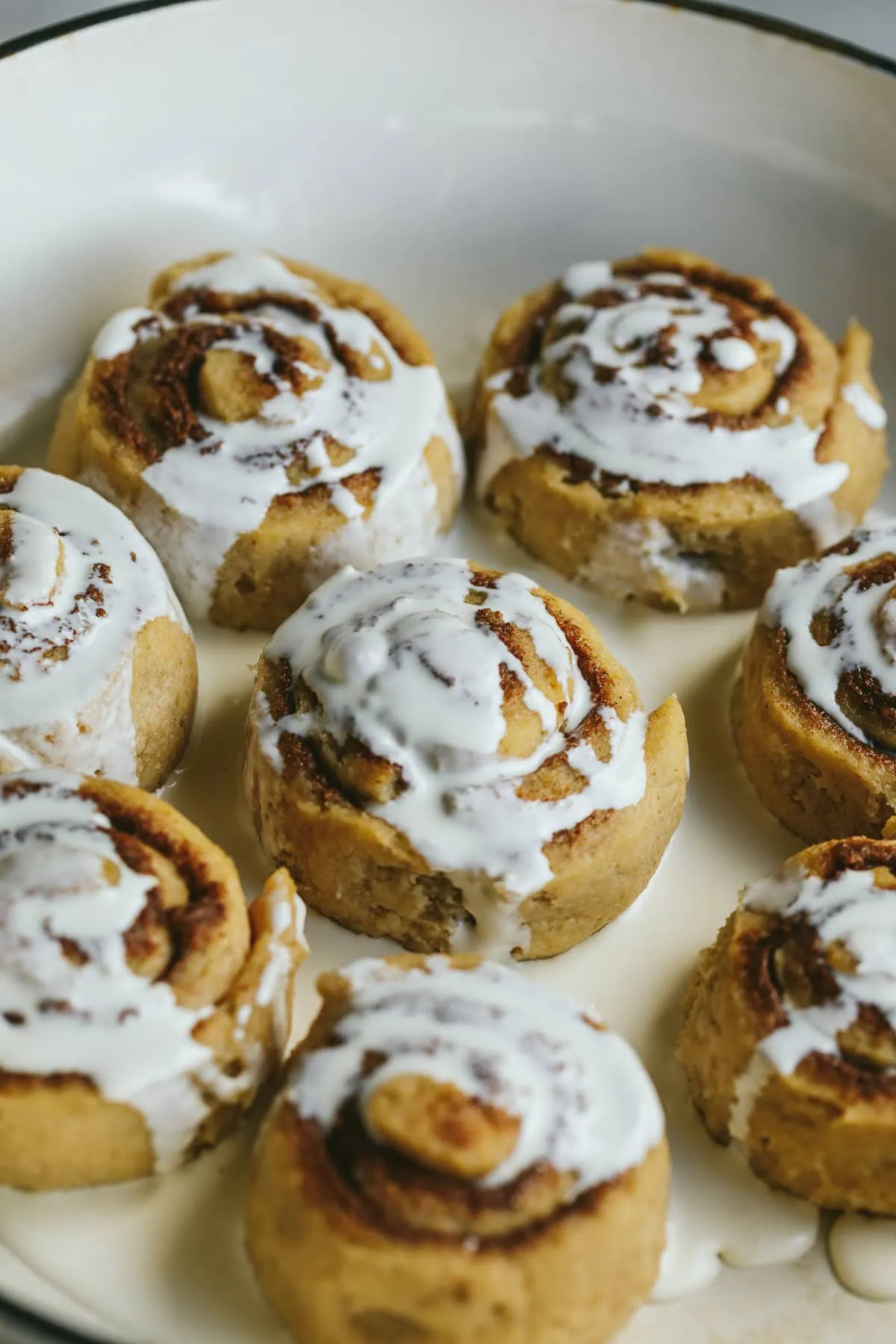
Preheat your oven to 350°F. Pour the warm cream over the top of the cinnamon rolls, dividing it between the two pans.
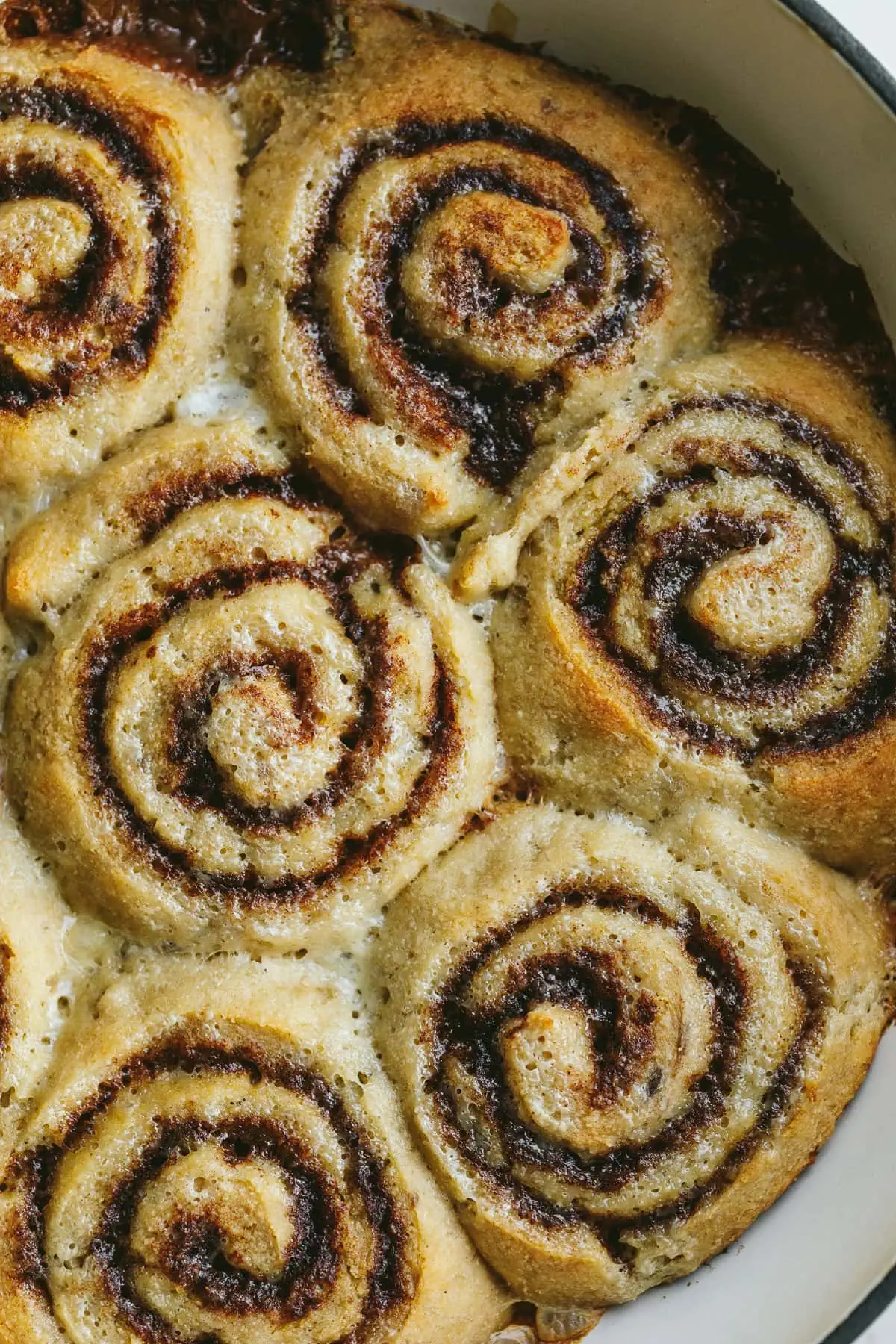
Cover each with aluminum foil and place on the center rack of your oven. Bake for 20 minutes, then remove the aluminum foil and continue baking for another 11-16 minutes or until the tops are golden brown.
Make the cream cheese frosting during this time, whipping together all of the frosting ingredients and adjusting the sweetness to your taste.
Remove the keto cinnamon rolls from the oven and let them cool for 10 minutes before topping them with the cream cheese frosting.
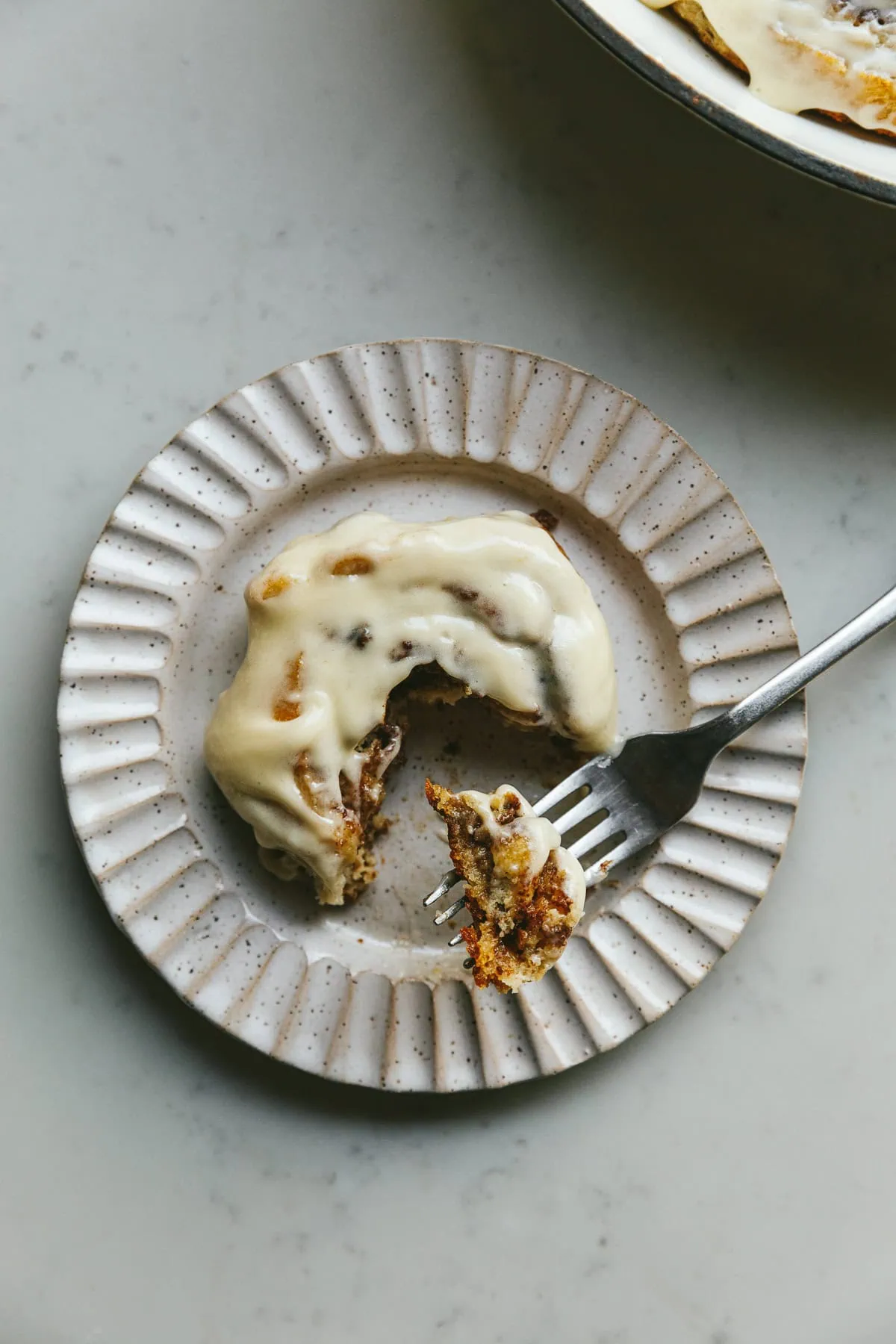
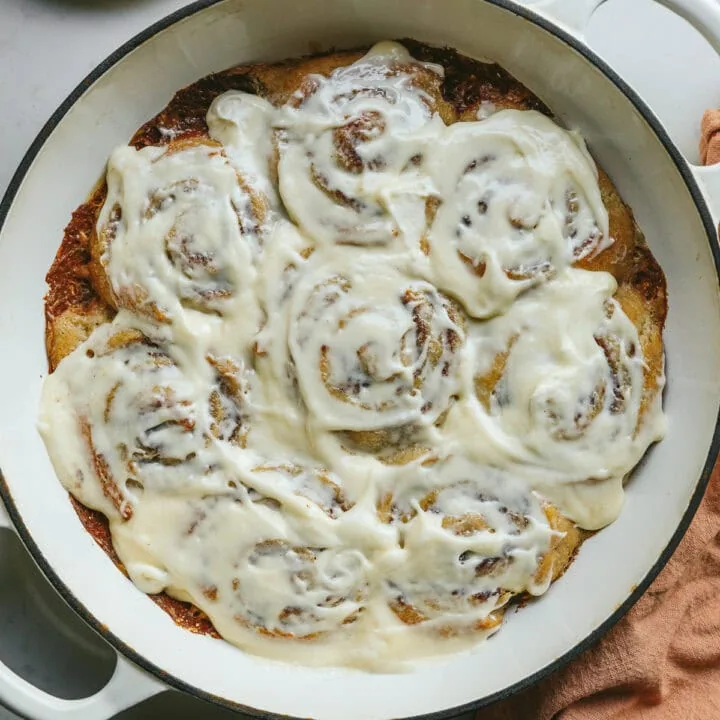
They'll be just warm enough for the frosting to slightly melt, become gooey, and seep perfectly into every crevice of your keto cinnamon buns.
recipe notes and tips
- Activating the yeast: You will need a touch of maple syrup to activate the yeast, but don't worry, the yeast will eat up all the sugar in the maple syrup.
- Dough consistency: The dough of these sugar free cinnamon rolls is a tad sticky, which is why the resting time in the fridge is crucial. It gives the dough time to hydrate and absorb all of the liquid. Plus, cold dough will be easier for you to work with.
- Working with the dough: Roll out the dough between two pieces of parchment paper, dusted with arrowroot powder. If your dough appears too sticky, use a touch more arrowroot. It also helps to dip your fingertips in water when you're rolling the dough into cinnamon rolls.
- Covering during baking: Covering the cinnamon rolls during the first part of the bake time helps trap moisture and creates steam, resulting in a larger rise and a more moist roll. It also prevents the tops from browning too much, which occurs more easily with low-carb flours like the ones we're using.
- Pan recommendations: You will most likely need a large baking pan and a smaller baking pan. I like to use a heavy-bottomed ceramic-coated braiser along with a 9-inch cake pan.
- Tangy cream cheese frosting: For a tangy cream cheese frosting, add 2 tablespoons of sour cream or Greek yogurt!
substitutions
- Yeast: Yeast is a must in this recipe. It helps the dough rise slightly, and it also gives the rolls a doughier flavor. I like active dry yeast, but you can also use a rapid-rise yeast. If that's the case, you will only need to let the rolls rise for about 30 minutes before they're ready for baking.
- Cream: I have not tested these to be dairy-free, but I believe you could easily swap the cream for full-fat coconut milk for both the dough and pouring over the rolls before baking (it may change the flavor a little bit).
- Butter: If you wish to substitute the butter in the dough, avocado oil or olive oil are two healthy fats I'd recommend. Melted coconut oil can work too, but it might alter the flavor.
- Low-carb flours: Please don't substitute these for one another- I have not tested this recipe with alternatives and I cannot promise you'll get the same results!
- Sweetener: An allulose and monkfruit blend is ideal, here. Allulose has a softer texture in the dough and won't dry it out (which erythritol can sometimes do). However, you can substitute your own favorite low-carb sweetener as long as it's a 1:1 substitute for regular sugar. For the frosting, you can either use powdered monkfruit erythritol blend OR blitz your own granulated sweetener in a high-powered blender or food processor to create a powdered sweetener (what I recommend). If blood sugar balance is not a concern, use regular powdered sugar for the frosting.
storage and reheating
Store these in an airtight container in the refrigerator for up to five days (and perhaps longer, if you have some left!).
To reheat, warm them in the microwave for 10-15 seconds, or warm them in a toaster oven/regular oven at 300°F until warm.
you might also love
- Keto Cinnamon Muffins with Chocolate Chips
- Keto Cinnamon Roll Mug Cake
- No-bake Protein Brownie Bites
- Rooibos Tea Latte
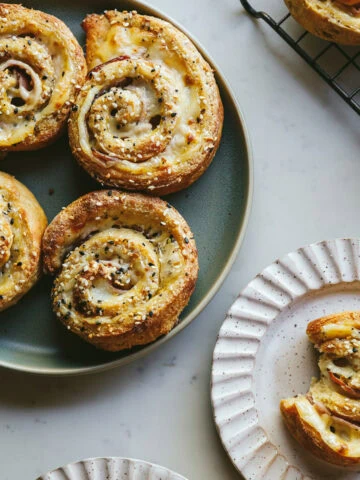
- Low-Carb Pinwheels with Ham and Swiss
- Low-carb Truffle and Brie Egg Bites
Soft & Fluffy Keto Cinnamon Rolls
These keto cinnamon rolls are light and tender, swirled with a sweet cinnamon filling, and piled high with a rich, keto cream cheese frosting! Made with a yeasted dough that's tender and pliable, this recipe is proof that you can achieve soft and fluffy keto cinnamon rolls with no cheese in the dough!
Ingredients
keto cinnamon roll dough
- 2 tablespoons (15 g) psyllium husk powder
- 1 cup warm water
- ½ cup warm whipping cream, divided (you'll use ¼ cup for the dough and ¼ cup just before baking)
- 2 teaspoons active dry yeast
- 1 teaspoon pure maple syrup
- 2-½ cups (238 g) blanched almond flour
- 4 tablespoons (24 g) coconut flour
- 6 tablespoons (46 g) arrowroot powder
- ⅓ cup granulated monkfruit sweetener with allulose
- 2 teaspoons xanthan gum
- 2 teaspoons baking powder
- ½ teaspoon salt
- 3 eggs, at room temperature
- 2 tablespoons melted butter
- 1 tablespoon vanilla extract
cinnamon filling
- 5 tablespoons butter, very soft but not melted
- 6 tablespoons granulated golden monkfruit sweetener with allulose
- 2 tablespoons ground cinnamon
keto cream cheese frosting
- 4 ounces cream cheese, softened to room temperature
- 4 tablespoons salted butter, softened to room temperature
- ¼-1/2 cup powdered monk fruit sweetener (sweeten to taste)
- 1 teaspoon vanilla extract
Instructions
- Make the dough: Combine the psyllium husk powder and water in a small bowl, whisking quickly, to break up any clumps. The mixture will turn into a gel in a matter of seconds. Set aside.
- In a separate small bowl, mix together ¼ cup warm cream (reserve the remaining ¼ cup for later), active dry yeast, and maple syrup. Set aside. It will turn foamy in about 5 minutes (if it does not, your yeast is not fresh!).
- Add the almond flour, coconut flour, arrowroot powder, low-carb sweetener, xanthan gum, baking powder, and salt to a large mixing bowl. Whisk well to combine and then set it aside.
- In a separate mixing bowl (or bowl of a stand mixer), whisk the eggs with the melted butter and vanilla extract. Add in the foamy yeast mixture, then stir in the dry ingredients. Use a silicone spatula (or paddle attachment) to work the dough well.
- Stir the psyllium husk gel into your dough, and continue to mix the dough until the gel has been incorporated evenly. This may take a few minutes. Place a sheet of plastic wrap over the bowl and refrigerate for at least 1 hour.
- Roll out the dough: Set a sheet of parchment on a flat surface and sprinkle some arrowroot on top. Dust the top of the dough ball with arrowroot, then gently place the dough on the prepared parchment paper. Flatten lightly, then set another sheet of parchment on top. Use a rolling pin to gently roll out the dough, shaping the edges as needed with your hands, until it's an 11x18 rectangle about ¼-inch thick.
- Mix together your filling ingredients, then spread the mixture evenly across the dough, keeping a ¼-inch border of dough along the edges. It helps to use an offset spatula to spread the mixture.
- Use a pastry cutter/bench scraper/sharp knife to slice the dough into 1-½-inch strips, cutting them from the short side of your rectangle. Gently roll each strip into a spiral. Dip your fingertips in water as needed to prevent the dough from sticking to your hands.
- Rise: Place each cinnamon roll in a buttered round skillet or rectangular baking dish, spread out about 2 inches apart. (You'll most likely need two dishes.) Cover the rolls with a clean dish towel and let them rise for 1-½ hours in a warm place. They will only rise a bit, so don't be alarmed if they don't look too much larger (this will happen in the oven!).
- Bake: Preheat your oven to 350°F. Pour the remaining ¼ cup of cream over the top of the cinnamon rolls, dividing it between the two pans. Cover each pan with aluminum foil and place them in the center rack of the oven. Bake for 20 minutes, then remove the aluminum foil and continue baking for another 11-16 minutes or until they are puffed up and the tops are a light golden brown.
- Make the frosting: Make the cream cheese frosting during this time, using an electric mixer to whip together all of the frosting ingredients. Adjust the sweetness to your taste.
- Remove the cinnamon rolls from the oven and let them cool for 10-15 minutes before topping them with the cream cheese frosting. They'll be just warm enough for the frosting to slightly melt, become gooey, and seep perfectly into every crevice. Enjoy!
Notes
- Activating the yeast: You will need a touch of maple syrup to activate the yeast, but don't worry, the yeast will eat up all the sugar in the maple syrup.
- Psyllium husk: If using whole psyllium husk (not powder), you can use slightly more, about 2-½ tablespoons.
- Dough consistency: The dough can feel a tad sticky at first, which is why the resting time in the fridge is crucial. It gives the dough time to hydrate and absorb all of the liquid. Plus, cold dough will be easier for you to work with.
- Tips for sticky dough: Roll out the dough between two pieces of parchment paper, dusted with arrowroot powder. If your dough appears too sticky, use a touch more arrowroot. It also helps to dip your fingertips in water when you're rolling the dough into cinnamon rolls.
- Covering during baking: Covering the cinnamon rolls during the first part of the bake time helps trap moisture and creates steam, resulting in a larger rise and a more moist roll. It also prevents the tops from browning too much, which occurs more easily with low-carb flours.
- Pan recommendations: You will most likely need a large baking pan and a smaller baking pan. I like to use a heavy-bottomed, 15" ceramic-coated braiser, along with a 9-inch cake pan.
- Tangy cream cheese frosting: For a tangier cream cheese frosting, add 2 tablespoons of sour cream or Greek yogurt!
Nutritional data below account for the carbs from allulose, which are subtracted the same way as fiber to determine total net carbs. In each roll, there are 17 grams of allulose. Subtract 17 grams and 6g fiber from the total carbohydrates and you end up with 8 grams net carbs per roll.
Nutrition Information
Yield 12 Serving Size 1Amount Per Serving Calories 313Total Fat 24gSodium 113mgCarbohydrates 31gNet Carbohydrates 8gFiber 6gSugar 2gProtein 10g
This nutritional information is approximate and is provided for convenience as a courtesy.
Barb says
The rolls didn’t rise. I had to add another 30minutes onto the proofing stage. My yeast worked nicely in the small bowl and my baking powder and soda are fresh and rise for other baking. Nor was my melted oil not too hot. When I try this recipe again I will increase the leavening a bit more. My husband tried another recipe and thought the amount of yeast was excessive and it was twice the amount. But that recipe worked fine, so perhaps we need more yeast and baking powder to this one.
All that said, they are delicious.
Abby says
Hi Barbara, thanks so much for the comment! Glad you enjoyed them. I will say that they don't rise as much as regular cinnamon rolls, but they should a little. I will try it with a bit more yeast next time I make it too and see if it helps. 🙂
Quinn says
Hello Can I use active yeast
Abby says
I wrote the recipe for active dry yeast. Is that what you mean? If so, then yes! If you'd rather use rapid rise yeast, you can do that too, and will only need to let the dough rise for about 30 minutes before baking.
Susannah says
Hi,nis there something I can substitute if I don't have maple syrup? Thanks!
Abby says
Yes, you can substitute the syrup with honey or agave. The main purpose is to feed the yeast so either of these swaps will work just fine. 🙂
Susannah says
Thank you, I also notice that the recipe says both coconut milk and coconut cream (to activate the yeast), which one is it...? Thanks for your recipes!
Abby says
Whoops, I meant to say coconut milk (full-fat, canned coconut milk). Thanks for catching that, I'll fix it!
Carson Love says
Wondering if anyone has tried to make these without the xanthum gum?
Abby says
The psyllium husk powder in this recipe will create enough elasticity in the dough on its own, but the xanthan gum works as an extra binder. It's not completely necessary, but it will give you the best results and make it easier to roll the dough and work with it.
Jess says
Could i make the dough the night before and get them out of the fridge to proof before baking in the morning?
Abby says
Yes, that should work just fine! They may need about 20 extra minutes to take the chill off.